Physical Address
304 North Cardinal St.
Dorchester Center, MA 02124
Physical Address
304 North Cardinal St.
Dorchester Center, MA 02124

Each individual’s metabolic rate, physical activity, genetic makeup, and daily caloric needs are different. Variables such as weight loss and weight gain programs, pregnancy and breastfeeding or bodybuilding programs are very effective in determining caloric needs.
A calorie is a unit of energy. In nutrition, calories measure how much energy food provides to your body.
The human body constantly needs energy to sustain life. Even when you are sleeping or resting, your body continues to burn calories to stay alive. In our previous article we talked about calorie and energy balance. This energy is extracted from food and used to support vital processes such as breathing, circulation, cell repair and temperature regulation, as well as voluntary activities such as walking or exercise. The sum of these processes is called metabolism.
Total daily energy expenditure (TDEE) consists of three main components:
Research shows that BMR accounts for approx 60–70% of total daily energy expenditure in sedentary individuals, making it the most influential factor in caloric requirements (McArdle et al., 2015).
One of the most common questions people ask when starting a fitness, weight loss, or healthy lifestyle is:
« How many calories do I need per day? »
The answer is not a single number. Your daily calorie needs depend on many individual factors such as your age, gender, body weight, height, activity level, and overall health goals. Eating too many calories can lead to weight gain, while eating too few can slow your metabolism, lower energy levels and negatively affect hormone balance. Factors affecting metabolic rate and calorie requirement can be listed as follows:
Men generally have higher caloric needs than women due to greater lean muscle mass. Muscle tissue is metabolically active and burns significantly more calories at rest compared to fat tissue. However, body composition is more important than gender; women with more muscle mass may have higher caloric needs than sedentary men.
Physical activity is the most variable component of energy expenditure. Regular exercise not only increases your daily calorie burn, but also increases muscle mass, which increases your resting metabolic rate over time.
Strength training has been shown to improve metabolic health by increasing lean body mass and insulin sensitivity, while aerobic exercise contributes to cardiovascular health and fat oxidation (Willis et al., 2012).
Heavier people generally need more calories because maintaining a larger body mass requires more energy. However, weight alone is not a perfect metric; two people of the same weight may have different calorie needs depending on their muscle to fat ratio.
Height affects energy requirements through its effect on body surface area and lean mass. Taller individuals generally have more metabolically active tissue and therefore higher basal energy requirements, even when body weight is similar.
Metabolic rate is highest during periods of growth such as childhood and adolescence. It stabilizes in early adulthood and gradually declines with age, largely due to decreased muscle mass and hormonal changes.
Recent research has shown that maintaining physical activity and adequate protein intake can significantly slow age-related metabolic decline (Pontzer et al., 2021).
Genetics influence metabolic rate, appetite regulation, fat distribution, and response to diet and exercise. While genetics may predispose individuals to obesity, lifestyle factors such as diet quality and physical activity remain the dominant determinants of body weight.
Certain inherited or acquired diseases—especially thyroid disorders—can significantly alter energy expenditure.
Exposure to cold environments increases energy expenditure as the body works to maintain internal temperature. Although this effect is moderate in modern living conditions, it can become significant with prolonged exposure to cold or outdoor work.
Acute and chronic illnesses can significantly increase caloric and protein requirements. Conditions such as burns, infections, cancer, trauma and post-operative recovery can increase the metabolic rate through 30–50% or more.
Hormonal disorders, including hypothyroidism, hyperthyroidism, insulin resistance, and polycystic ovary syndrome (PCOS), directly affect metabolism and energy balance. A medical examination is essential in these cases.
Daily calorie requirement is the amount of calories our body needs in a day to perform its vital activities. The USDA’s 2020 Dietary Guidelines for Americans report states that adult women need 1,600 to 2,400 calories per day and adult men need 2,000 to 3,000 calories per day. However, this amount varies from person to person according to the factors mentioned above.
This calorie calculator uses your age, weight, height, gender and activity level to calculate the number of calories you should be eating per day to maintain your weight. You can adjust this number based on your goals if you’re trying to lose or gain weight.
The daily calorie calculator expresses the caloric value required to meet the average energy consumed by the body in one day. If the calories consumed and burned are equal each day, body weight can remain at constant values. When the balance of the difference between these two is disturbed – male/female regardless – the process of gaining weight or losing weight begins.
From puberty, the female body tends to store fat more as a requirement for fertility than for building muscle. Therefore, the equations used to calculate women’s daily calorie needs differ from men’s depending on their muscle and fat holding capacity. Women must adopt a more intense daily pace so that their daily calorie consumption is equal to that of a man of the same age, height and weight.
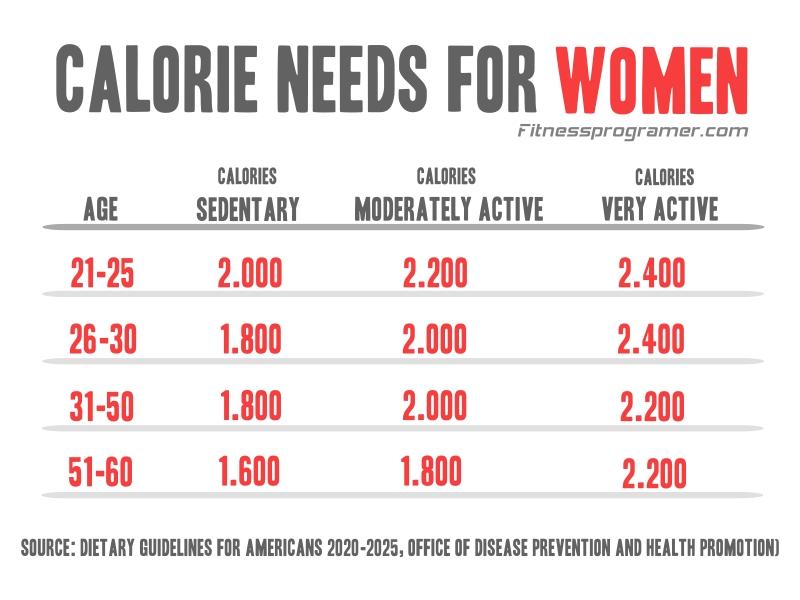
Although muscle mass develops depending on sports activity, men have more muscle mass than women due to their anatomical structure. Because muscle mass is a determinant of energy expenditure, men’s daily caloric needs may be higher than women’s. Furthermore, this situation; It remains valid even if the values for age, weight, height and activity intensity are the same.
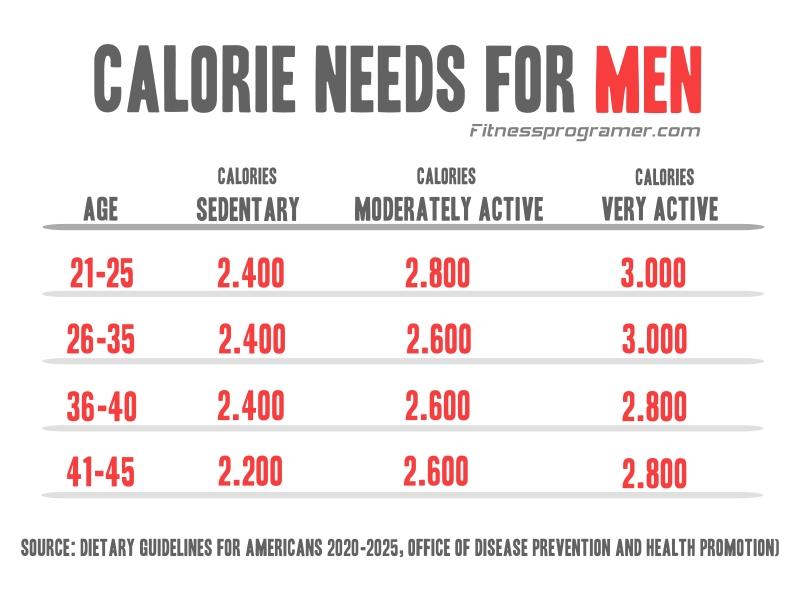
The result you get from the calculator above shows the average energy value your body uses per day according to your goal.
To gain weight or build muscle, you need to meet your daily calorie needs in the scorecard and much more. It is also recommended that you exercise to build muscle with your weight gain diet.
A sample increase in calories for weight gain and muscle mass:
The daily requirement of the individual given in the example is 2458 calories. In order for this individual to increase muscle mass, he or she must increase the daily amount of calories by 300 to 500. However, this rate can be targeted between 700 to 1000 calories depending on the severity of the physical activity.
To lose weight, you need to eat according to the calorie needs on the scorecard and create a calorie deficit. Cutting your daily calories doesn’t mean starving yourself. A few simple diet and lifestyle changes can help you lose weight, such as weight-loss exercise, drinking adequate amounts of water, increasing protein intake, and reducing carbohydrate intake.
An example of calculating calories for weight loss:
The daily requirement of the individual in the weight loss example is 1796 calories. We don’t know how many calories this individual consumes per day, but it appears that he needs an average of 1,796 calories to lose weight. Assuming this individual consumes 2,500 calories per day, it is recommended to reduce daily calories by 200 to 500 and work down to 1,750-1,800 calories over time to lose weight in a healthy way.
Exercise is essential to living a healthy life as well as creating a caloric deficit. When you support your diet with an exercise program, you can accelerate fat burning and increase your physical strength.
Daily caloric needs are influenced by a complex interaction of biological, lifestyle and environmental factors. Understanding these variables allows people to make informed decisions about nutrition, exercise, and overall health.
For personalized guidance – especially in the presence of medical conditions – consultation with a registered dietitian or health professional is strongly recommended.
This article is for informational purposes only and is not a substitute for professional medical advice.
References
General
#calories #day #Guide #daily #intake